
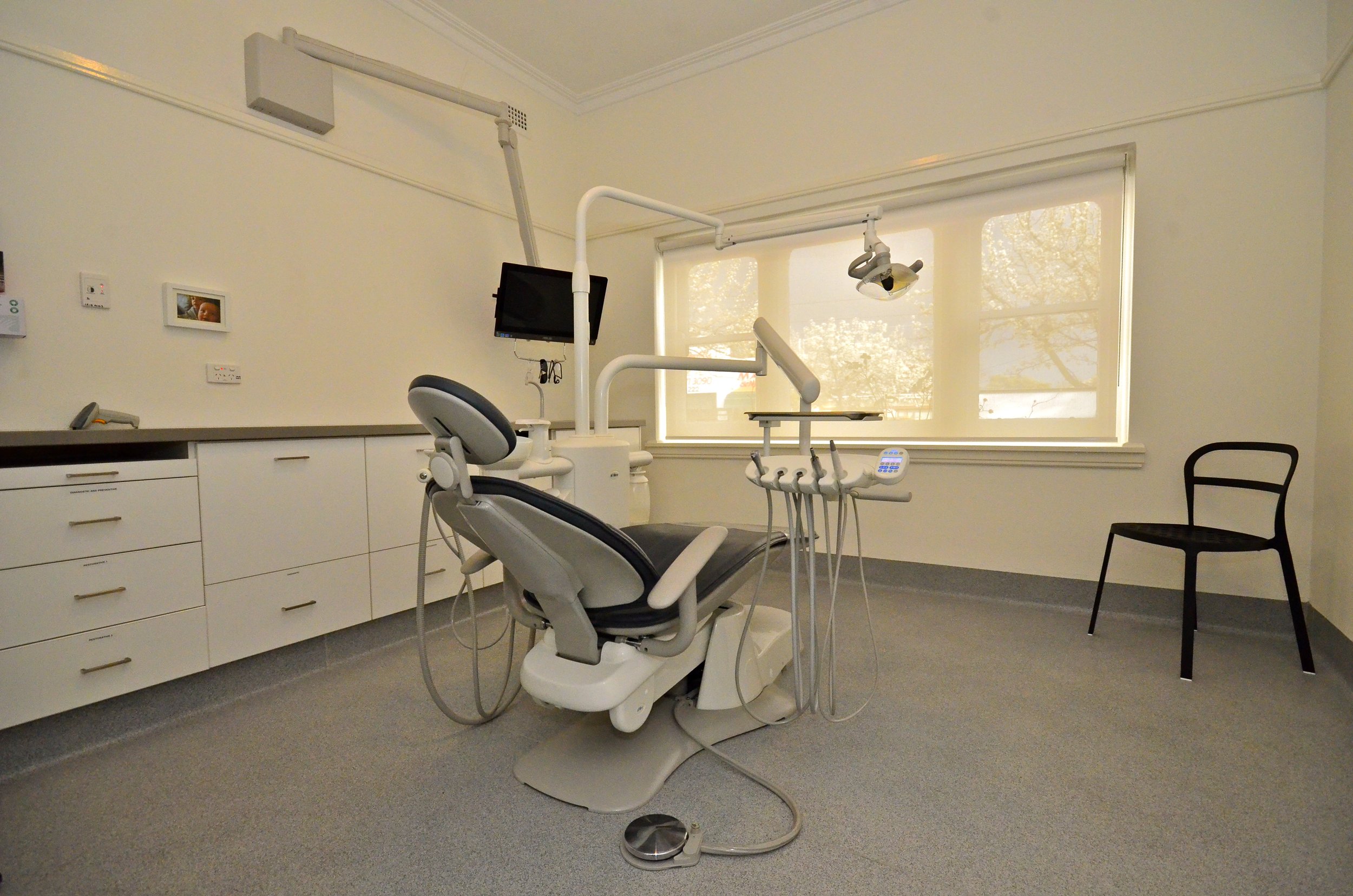
Restorative Dentistry in Malvern East
Restorative dentistry focuses on diagnosing and managing damaged, decayed, worn or missing teeth. Treatment aims to support oral health, comfort and function while preserving sound tooth structure where possible.
At The Tooth Doctor in Malvern East, restorative care begins with an individual assessment. We explain the condition of your teeth, available options, limitations, likely maintenance and fees before treatment proceeds.
CALL (03) 9569 3221
When might restorative treatment be needed?
Tooth decay or a broken filling
A chipped, cracked or fractured tooth
Tooth wear caused by grinding, erosion or other factors
A tooth weakened after root canal treatment
Missing teeth affecting function or appearance
Sensitivity, food trapping or difficulty chewing
Replacement or repair of an older restoration
Restorative treatments
The appropriate treatment depends on the diagnosis, the amount of remaining tooth structure, bite forces, appearance, oral hygiene, health and preferences.
Direct fillings: tooth-coloured or other restorative materials placed directly in the tooth.
Inlays and onlays: laboratory-made restorations used when more coverage is required than a filling but a full crown may not be necessary.
Dental crowns: restorations that cover and protect a substantially weakened tooth.
Dental bridges: fixed restorations supported by teeth or implants to replace missing teeth.
Root canal treatment: treatment of inflammation or infection inside a tooth, followed by an appropriate restoration.
Dental implants and dentures: options for replacing missing teeth after individual assessment.
Repair or monitoring: conservative repair, smoothing or observation may be appropriate in selected situations.
Assessment and treatment planning
A comprehensive plan may involve examination, periodontal assessment, bite analysis, radiographs, photographs, impressions or digital scans. Urgent disease is usually managed first, followed by stabilisation and definitive restorative care.
Your priorities and the problems you want addressed
The prognosis of each tooth
Benefits, material risks and limitations
Alternatives, including no immediate treatment where reasonable
Number and sequence of appointments
Expected maintenance and likely future treatment
Fees and health-fund item information
Choosing restorative materials
No single material is ideal for every tooth. Selection depends on location, remaining structure, moisture control, bite forces, aesthetics, allergies, longevity considerations and cost. Your dentist will explain why a particular material or design is being recommended.
How long do restorations last?
Restorations are not permanent and their lifespan cannot be predicted precisely. Decay, gum disease, grinding, accidental damage, bite forces and hygiene can affect longevity. Regular reviews may detect problems before they become extensive.
Brush twice daily with fluoride toothpaste and clean between the teeth.
Limit frequent sugar and acidic drinks or snacks.
Wear a protective appliance if prescribed for grinding or sport.
Avoid using teeth to open packaging or bite hard objects.
Attend reviews and professional cleaning at the interval recommended for you.
Repair, replacement or monitoring
An older restoration does not always require complete replacement. If appropriate, your dentist may discuss monitoring, smoothing or repairing a local defect. Replacement may be recommended when there is recurrent decay, fracture, poor seal, symptoms or insufficient remaining support.
Frequently asked questions
What is the difference between restorative and cosmetic dentistry?
Restorative treatment primarily manages disease, damage and function. Cosmetic considerations may also influence the material, shape and colour chosen.
Will I need X-rays?
Radiographs are recommended only when clinically justified. They may reveal decay, infection, bone levels or other features that cannot be assessed visually.
Is a crown always better than a large filling?
No. Each option removes or covers different amounts of tooth structure and has different limitations. The recommendation depends on the tooth and bite.
Can a cracked tooth be repaired?
Some cracks can be managed with a filling, onlay, crown or root canal treatment. Deep or extensive cracks may make a tooth unsuitable for predictable restoration.
How much will treatment cost?
Fees depend on the tooth, material, complexity and number of appointments. We provide a treatment plan and estimate after assessment.
Arrange an assessment
Visit The Tooth Doctor at 221 Waverley Road, Malvern East VIC 3145. Call (03) 9569 3221 to arrange an appointment. Treatment recommendations and fees are provided after an individual assessment.
Related treatments
This information is general and does not replace an individual dental assessment. Suitability, risks, alternatives and treatment recommendations depend on your examination, health history and diagnosis.
Clinically reviewed by Dr Jim Androutsopoulos - July 2026.