
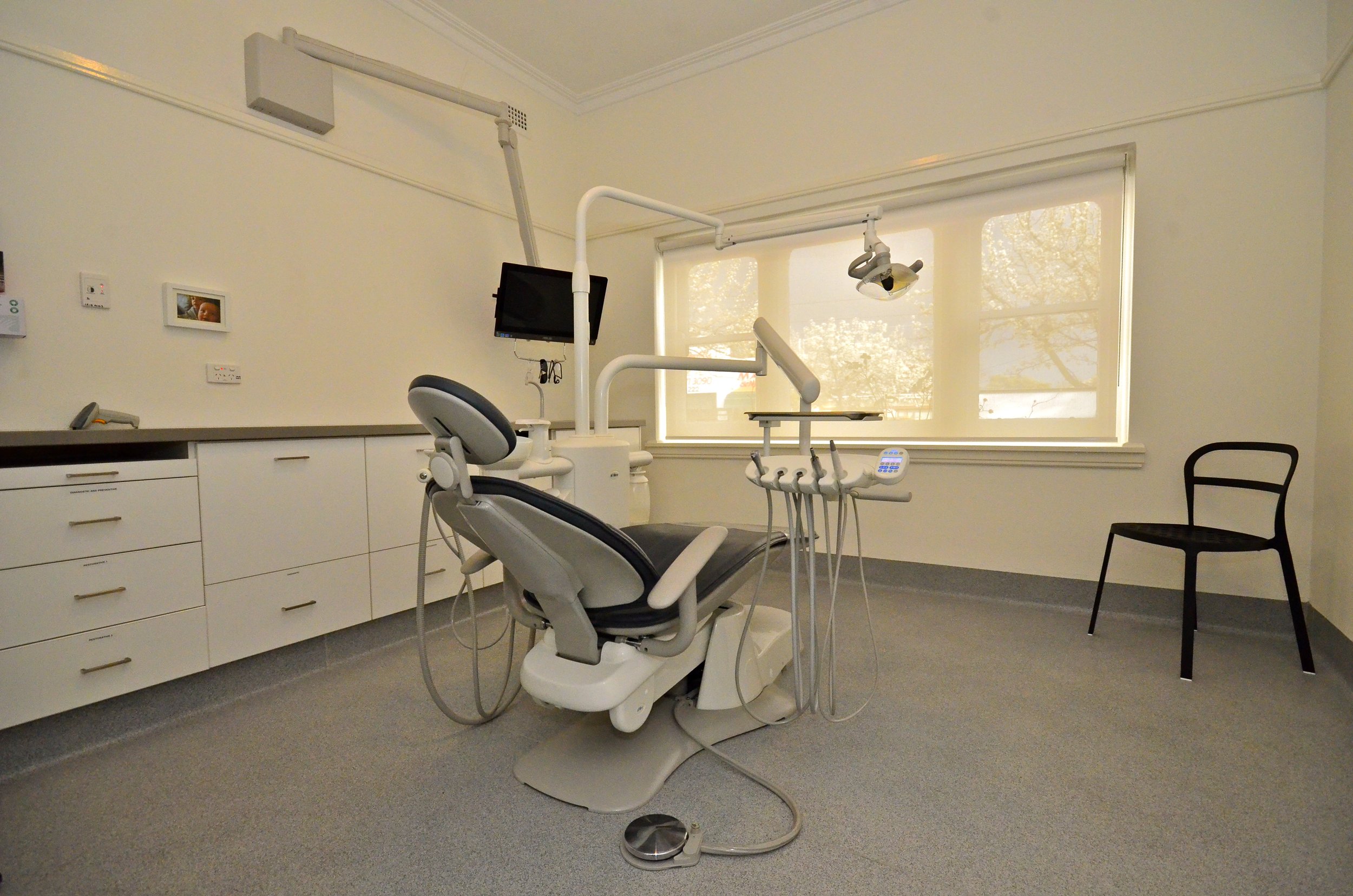
Dentures in Malvern East
Dentures are removable appliances that replace missing teeth and associated tissues. They may help support eating, speech and appearance, although adjustment and ongoing care are required.
At The Tooth Doctor, we assess your teeth, gums, bite and treatment goals before discussing whether a partial denture, full denture or another tooth-replacement option may suit you.
CALL (03) 9569 3221
Types of dentures
Partial dentures replace some missing teeth and obtain support from remaining teeth and oral tissues. They may have acrylic or metal frameworks.
Full dentures replace all teeth in the upper or lower arch and rely on the shape of the mouth, muscle control and saliva for support and retention.
Immediate dentures are made before teeth are removed and inserted soon after extraction. Changes during healing commonly require adjustments or relining.
Implant-retained dentures attach to dental implants and may improve retention for suitable patients. Surgery, healing, maintenance and additional costs are involved.
Planning your denture
Your dentist will ask about eating, speech, comfort, appearance, previous dentures, medical history and manual dexterity. The examination may include radiographs and assessment of remaining teeth, gums, bone, jaw joints and bite.
Which teeth, if any, can be retained
The health of supporting teeth and tissues
Available space and bite relationships
Material, tooth shade and appearance
The expected stability and limitations of the proposed denture
Alternatives such as bridges or dental implants
The denture process
Assessment and treatment planning, including treatment of active disease where required.
Impressions or digital records of the mouth.
Bite records and selection of tooth shape and colour.
A trial stage may be used to assess appearance and bite before completion.
Fitting, instructions and follow-up adjustments.
Adjusting to new dentures
New dentures may initially feel bulky and can affect saliva, speech and chewing. Sore areas can develop and should be adjusted professionally rather than altered at home. Begin with softer foods cut into smaller pieces, chew slowly on both sides and practise speaking aloud.
Dentures do not reproduce the strength or sensation of natural teeth.
Lower dentures are commonly less retentive than upper dentures.
The mouth changes over time, so dentures may loosen and require adjustment, relining or replacement.
Some foods may remain difficult to eat even after adaptation.
Cleaning and maintenance
Remove and clean dentures every day with a soft denture brush and a suitable cleanser. Clean your gums, tongue and any remaining teeth. Unless advised otherwise, remove dentures while sleeping to rest the tissues. Store them safely and avoid hot water, which may distort them. Continue regular dental examinations even if you have no natural teeth.
Frequently asked questions
How long do dentures last?
There is no fixed lifespan. Wear, breakage and changes in the mouth affect fit. Regular reviews help identify when adjustment, relining or replacement should be considered.
Can I sleep in my dentures?
Dentures are generally removed overnight unless your dentist gives different short-term instructions, such as after immediate denture placement.
Will dentures affect eating?
An adjustment period is normal. Many people manage a varied diet, but chewing efficiency and food choices may remain different from natural teeth.
Can a broken denture be repaired?
Many fractures can be assessed for repair. Do not use household glue because it may be unsafe and can make professional repair more difficult.
Are implants better than dentures?
Implants and conventional dentures have different benefits, risks, maintenance requirements and costs. The most appropriate option depends on your health, anatomy and preferences.
Arrange an assessment
Visit The Tooth Doctor at 221 Waverley Road, Malvern East VIC 3145. Call (03) 9569 3221 to arrange an appointment. Treatment recommendations and fees are provided after an individual assessment.
Related treatments
This information is general and does not replace an individual dental assessment. Suitability, risks, alternatives and treatment recommendations depend on your examination, health history and diagnosis.
Clinically reviewed by Dr Jim Androutsopoulos - July 2026.